
Tag: social media

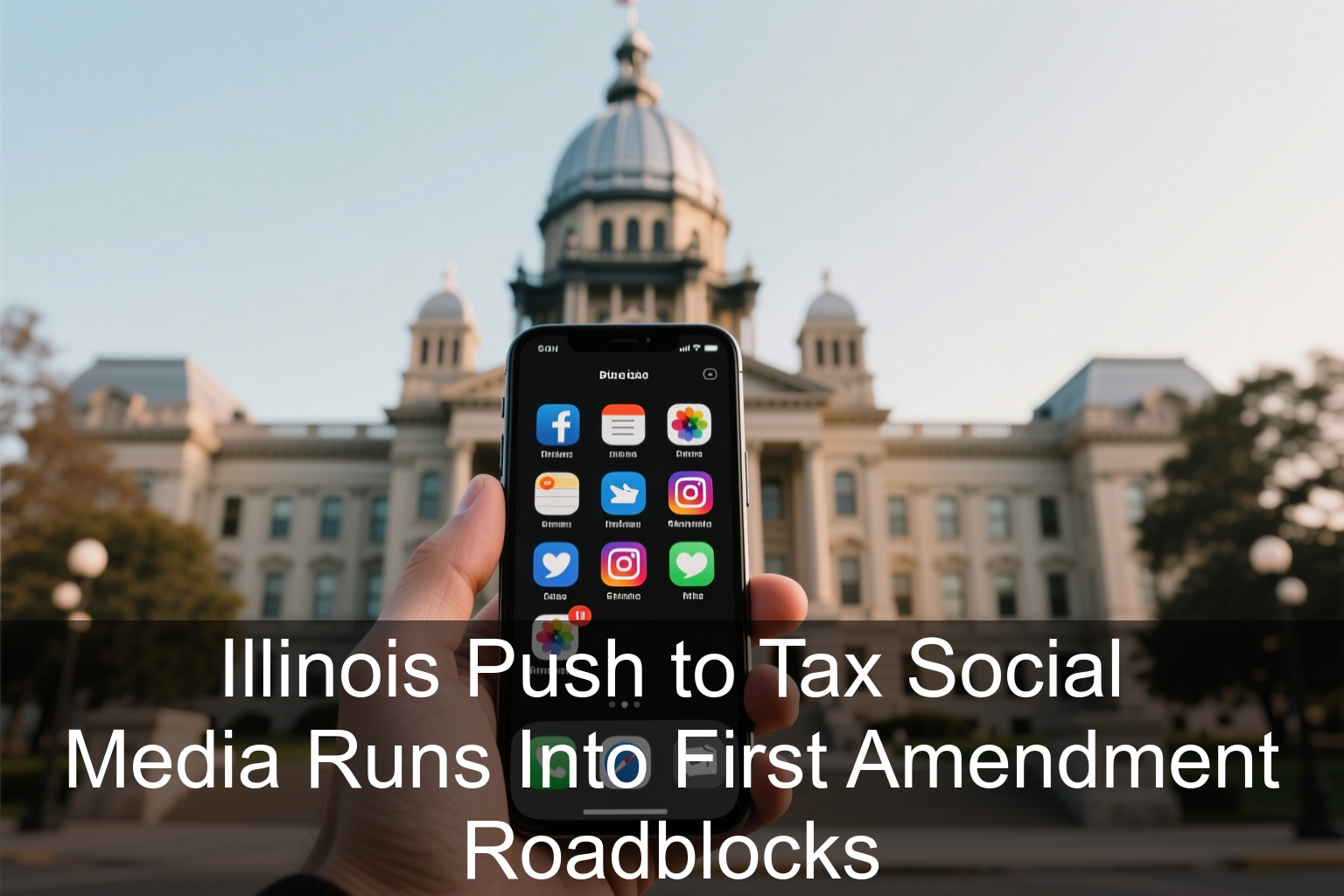
  • Illinois Push to Tax Social Media Runs Into First Amendment Roadblocks

    Illinois Push to Tax Social Media Runs Into First Amendment Roadblocks

    Illinois lawmakers are floating a new way to raise revenue: impose a fee aimed specifically at social media companies. The idea sounds like a straightforward tax proposal on the surface, but it quickly becomes something else when you look at what triggers the charge.

    The central problem is that the proposed assessment is tied to the content users post and share on these platforms. Instead of focusing on ordinary measures of business activity, it effectively singles out services because they host and transmit other people’s expression. That distinction matters because, under the First Amendment, government has far less room to burden speech than it does to tax general income or routine commerce.

    From a libertarian and conservative perspective, this kind of targeted levy is an invitation for political abuse. Once the state normalizes special financial penalties aimed at a particular communications medium, officials gain a powerful tool to pressure companies that carry unpopular viewpoints or refuse to cooperate with preferred narratives. Even if today’s sponsors claim benign intentions, the structure creates a blueprint that can be repurposed by future administrations with different goals.

    The plan also sets the state up for a predictable constitutional collision. Taxes are generally permissible when they are neutral and broadly applied, but a charge that is triggered by the existence of user speech is likely to be challenged as a penalty on expression. By crafting a revenue scheme that is so closely connected to what people say online, Illinois risks transforming a budget measure into a lawsuit over basic free-speech protections.

    If Illinois wants more revenue, it has legitimate options that do not entangle the government in policing or monetizing expression. The safer route is to rely on general taxation that treats businesses evenly, rather than creating a special fee that targets platforms because they facilitate public discourse. A state can tax earnings; it cannot make speech itself the taxable event.

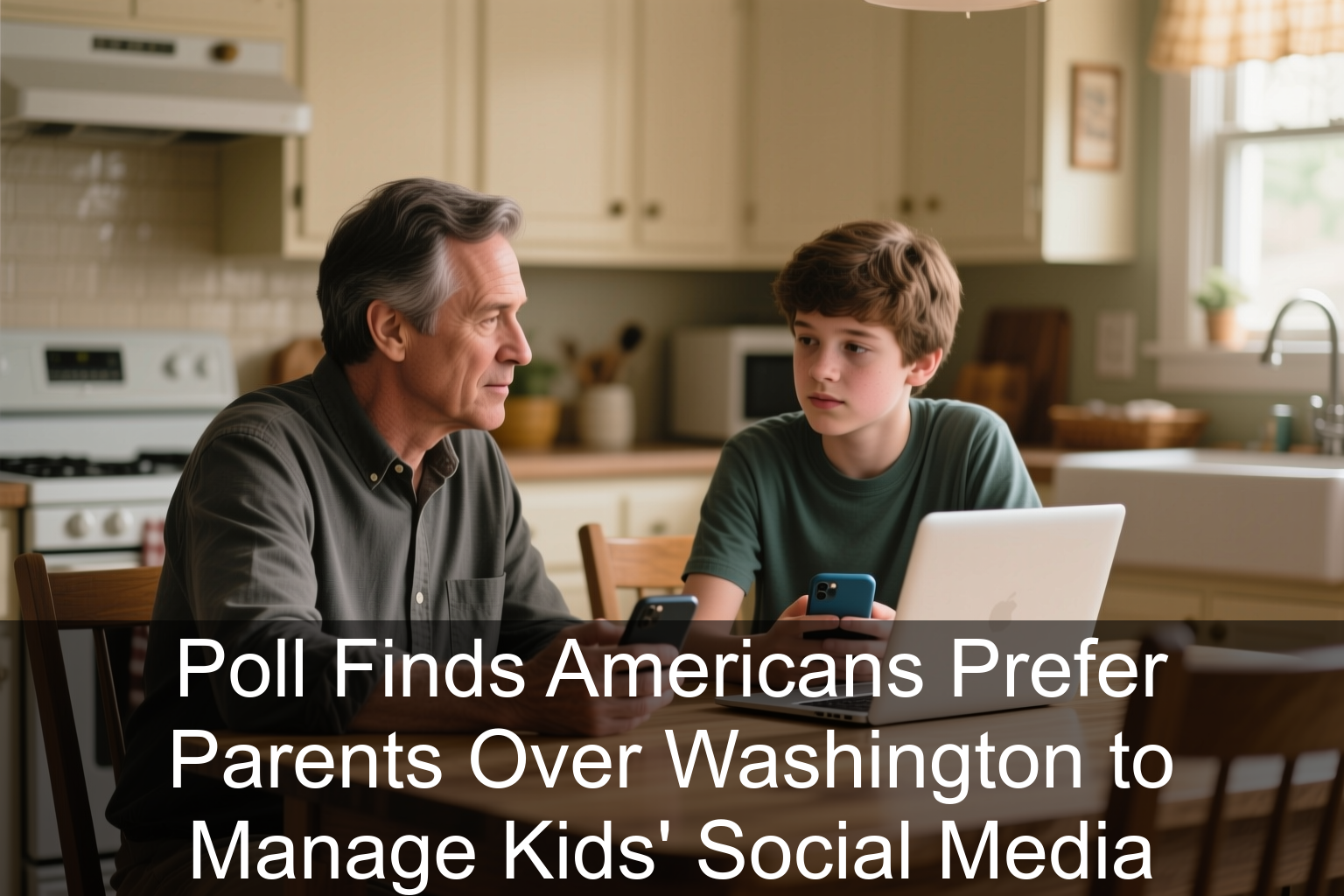
  • Poll Finds Americans Prefer Parents Over Washington to Manage Kids’ Social Media

    Poll Finds Americans Prefer Parents Over Washington to Manage Kids’ Social Media

    Questions about how minors should use social media have become a flashpoint in the broader debate over online speech, privacy, and family authority. A new poll highlighted a clear theme: Americans are wary of handing responsibility for kids’ social media habits to large institutions, whether those institutions are Silicon Valley platforms or federal regulators.

    The survey’s central takeaway is that the public does not place much confidence in technology companies to appropriately handle minors’ social media use. Respondents signaled skepticism that platforms can be relied upon to set and enforce rules that protect children without creating new problems, such as intrusive monitoring or uneven enforcement.

    At the same time, the poll indicates that Americans are also reluctant to empower the federal government as the primary overseer of minors’ social media activity. Even among people who want children better protected online, there is limited trust that Washington would regulate in a way that stays narrowly focused, avoids overreach, and respects constitutional boundaries.

    Instead, the strongest preference reflected in the results is for parents to be the main decision-makers. That aligns with a view that families are best positioned to weigh maturity levels, household values, and individual circumstances—choices that are difficult to translate into one-size-fits-all mandates from either corporate policy teams or federal agencies.

    The findings land in the middle of a growing push for age checks, content restrictions, and other top-down approaches aimed at minors online. But the poll suggests many Americans would rather see solutions that keep authority closer to home than rules written by federal officials or enforced by tech giants.