
Tag: United Kingdom

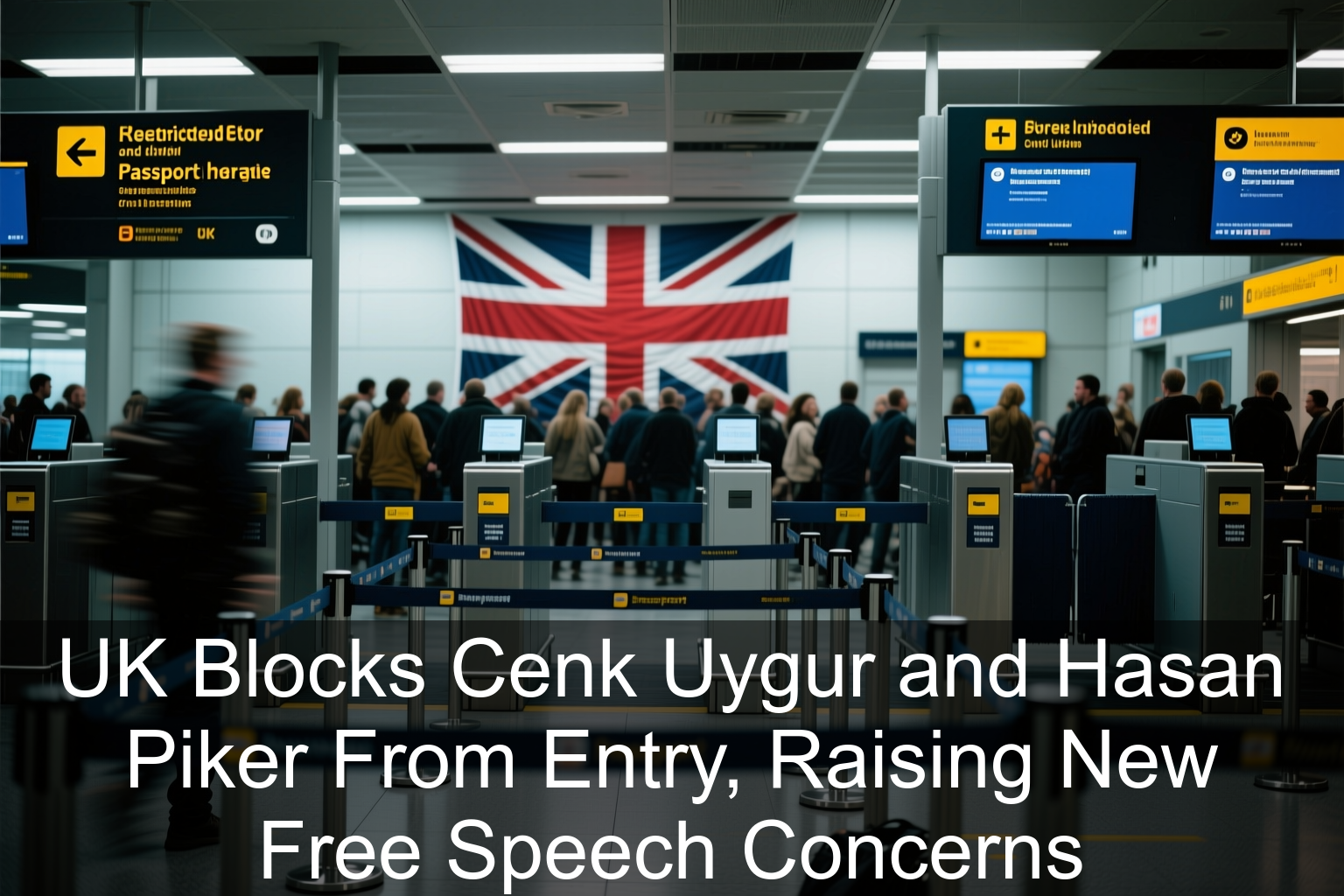
  • UK Blocks Cenk Uygur and Hasan Piker From Entry, Raising New Free Speech Concerns

    UK Blocks Cenk Uygur and Hasan Piker From Entry, Raising New Free Speech Concerns

    The United Kingdom has denied entry to two prominent U.S.-based political commentators, Cenk Uygur and Hasan Piker, a move that is drawing renewed attention to how British authorities are using immigration powers in politically sensitive cases. The decision effectively prevents both men from traveling to the UK.

    Uygur is widely known as a political host and media figure, while Piker is a high-profile online commentator. Although the ban is an immigration action rather than a criminal proceeding, the practical result is the same: they are barred from appearing in person for events, interviews, or public discussions inside the country.

    Supporters of open debate argue that such exclusions resemble viewpoint-based gatekeeping, where unpopular or controversial speech becomes a reason to restrict access. From a libertarian-leaning free expression perspective, the concern is less about whether any particular speaker is agreeable and more about the precedent: once the state normalizes using border control to filter lawful political commentary, the target list can expand quickly.

    The episode has also prompted the question of effectiveness. If limiting attention was part of the purpose, the outcome may be the reverse, as the ban itself amplifies public interest and drives more coverage and online conversation than an ordinary visit would have generated. In the modern media environment, attempting to suppress speech often gives it a larger platform.

    More broadly, the decision fits into growing criticism that the UK is moving away from a robust culture of free expression. Critics say the country’s recent trajectory encourages officials to treat contentious political speech as a problem to be managed rather than a liberty to be protected, with immigration enforcement becoming one more tool that can be applied selectively.

  • King’s Speech Ceremony Unfolds as Britain Faces a Political Crisis

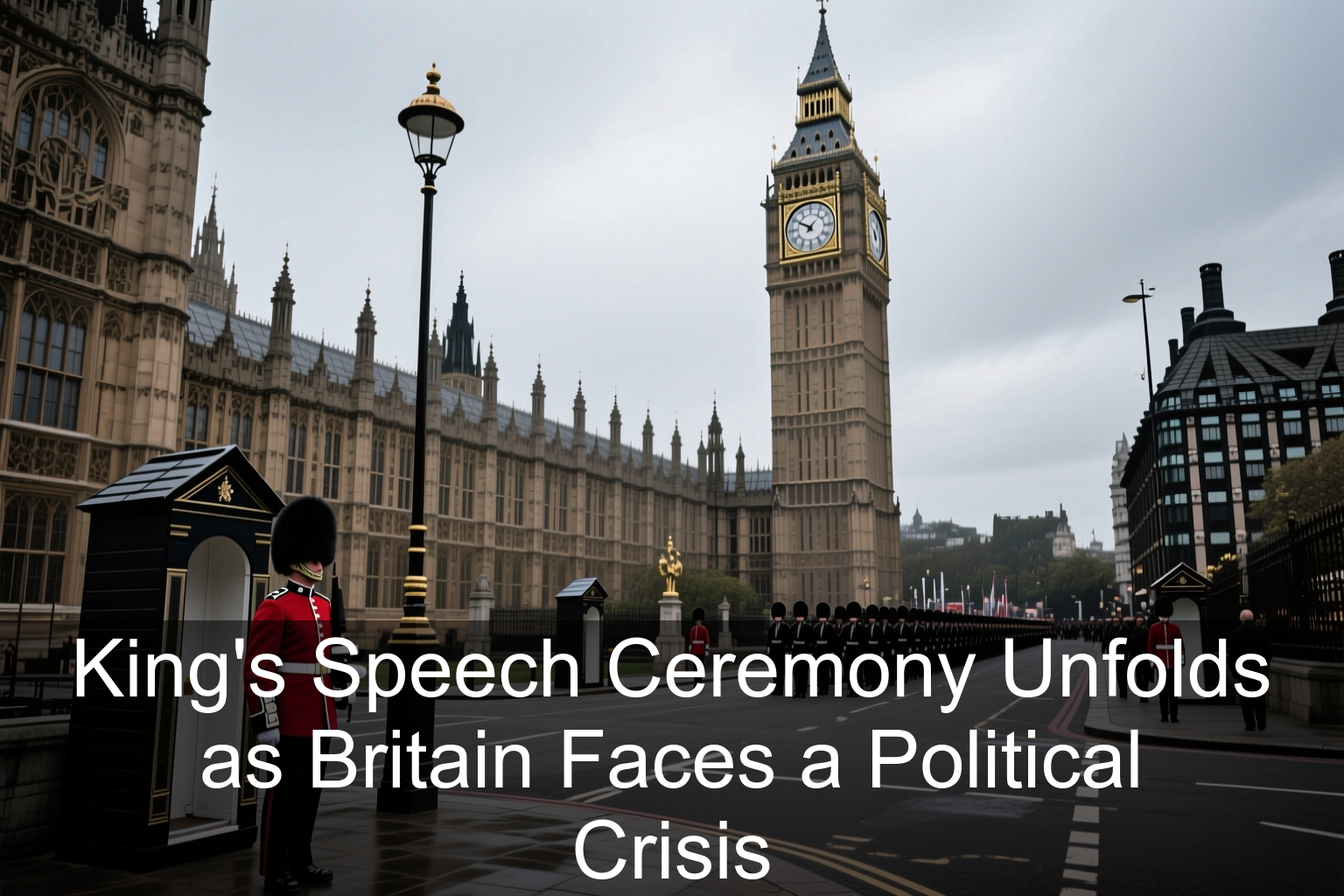
    King’s Speech Ceremony Unfolds as Britain Faces a Political Crisis

    Britain’s annual King’s Speech arrived wrapped in the familiar ritual: formal dress, a carefully staged procession, and the kind of pageantry designed to project continuity and stability. Yet behind the ceremonial polish, the country was confronting a serious political breakdown that the spectacle could not conceal.

    The address, delivered in the traditional setting and style expected of a constitutional monarchy, served its usual function: presenting the government’s legislative agenda. The public-facing message was orderly and scripted, but the broader context was anything but calm. The ceremony’s grandeur stood in sharp contrast to the intensity of the turmoil playing out in British politics.

    From a limited-government perspective, the juxtaposition matters. When governing coalitions or party leaderships falter, the pressure often shifts toward expanding state action, relying on administrative workarounds, or using procedural muscle to force outcomes. The pomp of the event can lend an impression of institutional normalcy, even as the political system struggles to resolve disputes through transparent, accountable decision-making.

    The crisis atmosphere also underscores a recurring tension in modern governance: leaders can be tempted to treat public institutions as instruments for managing headlines rather than as frameworks for protecting liberty, restraining power, and ensuring that major decisions reflect genuine consent. In that environment, citizens may see more emphasis on choreography and less on the hard work of restoring trust, fiscal discipline, and constitutional limits.

    In the end, the King’s Speech provided a striking visual of Britain’s traditions at full display, even as the nation’s elected politics entered a period of acute strain. The ceremony reinforced how effectively pageantry can frame a moment—while also highlighting that stability ultimately depends not on spectacle, but on responsible leadership and a government that remains answerable to the people.