Tag: technology

  • The Panic Over “AI Fixation” Is Overblown

    The Panic Over “AI Fixation” Is Overblown

    A small wave of cultural anxiety has formed around the idea that artificial-intelligence tools will lure people away from real relationships, leaving spouses and partners competing with chatbots and digital companions. The worry is framed as something new and uniquely threatening, as if the presence of a highly responsive program automatically means a collapse in human intimacy and commitment.

    That concern doesn’t hold up well once it’s placed in context. New technologies routinely inspire gloomy predictions about what they will do to dating, marriage, and family life. Yet these alarms tend to age poorly, because people ultimately treat most innovations as tools, conveniences, or passing fascinations rather than permanent replacements for human connection.

    The current fixation on “AI-obsessed” partners follows that familiar pattern. A person spending time with an AI system can look strange or unsettling in today’s moment, but the novelty won’t last. As the technology becomes more ordinary and less of a status symbol or curiosity, the drama around it is likely to diminish as well.

    In practice, most households already navigate plenty of distractions—screens, social media, games, streaming platforms, and endless digital content—without concluding that every new interface represents an existential threat to relationships. AI-driven conversation and entertainment simply add another option to a crowded landscape of diversions, and the basic challenges of loyalty, attention, and trust remain human problems with human solutions.

    Before long, the idea that romantic partners will be routinely “besotted” with AI will probably sound like a dated fear from an earlier stage of the technology. The more sensible response is to keep expectations grounded, resist moral panics, and remember that durable relationships depend more on personal responsibility and shared priorities than on whatever the newest software happens to be.


  • Pope Leo’s Warning Meets LinkedIn’s AI-Driven Career Theater

    Pope Leo’s Warning Meets LinkedIn’s AI-Driven Career Theater

    A glossy professional feed is supposed to showcase real work, real skills, and real ideas. Instead, many users now scroll through a stream of exaggerated “lessons learned,” self-congratulatory career updates, and motivational posts that read as if they were assembled from templates rather than lived experience. The result is a public square for professionals that often feels strangely empty, even when it is crowded.

    That emptiness is at the center of a broader concern about what happens when artificial intelligence becomes the default tool for writing, thinking, and presenting ourselves. The argument raised by Pope Leo in Magnifica Humanitas is that AI can threaten human creativity by nudging people toward imitation and convenience instead of originality and craft. When a machine can quickly generate plausible-sounding prose, the temptation grows to publish something “good enough” rather than to do the harder work of saying something true, specific, and earned.

    LinkedIn offers a clear illustration of how this shift plays out in daily life. As AI-generated content becomes easier to produce, the platform can fill with low-effort writing that mimics insight without delivering it. Posts may look polished on the surface while conveying little more than vague encouragement, recycled talking points, or generic career morality tales. The feed becomes a showcase of performance rather than competence, and of signaling rather than substance.

    From a conservative and libertarian perspective, the problem is not that people are free to speak, market themselves, or use new tools. The issue is what a culture of frictionless automation does to personal responsibility and standards. When professional identity is increasingly curated by prompts and auto-completions, individuals can slide away from accountability for their own words and ideas. In the long run, a society that rewards manufactured sameness over hard-won excellence will find it harder to cultivate genuine talent, sound judgment, and the habits that sustain a free and productive economy.

    Magnifica Humanitas’s warning lands because it points to an old truth: creativity is not just output, but a human discipline. Work that matters typically requires attention, risk, and the humility to be wrong before being right. If AI makes it effortless to produce impressive-looking text, it can also make it easier to avoid that discipline. LinkedIn’s increasingly “slop-ridden” content environment, as critics describe it, becomes a practical case study in how quickly convenience can crowd out authenticity—and why calls to defend human creativity are not abstract, but urgently concrete.

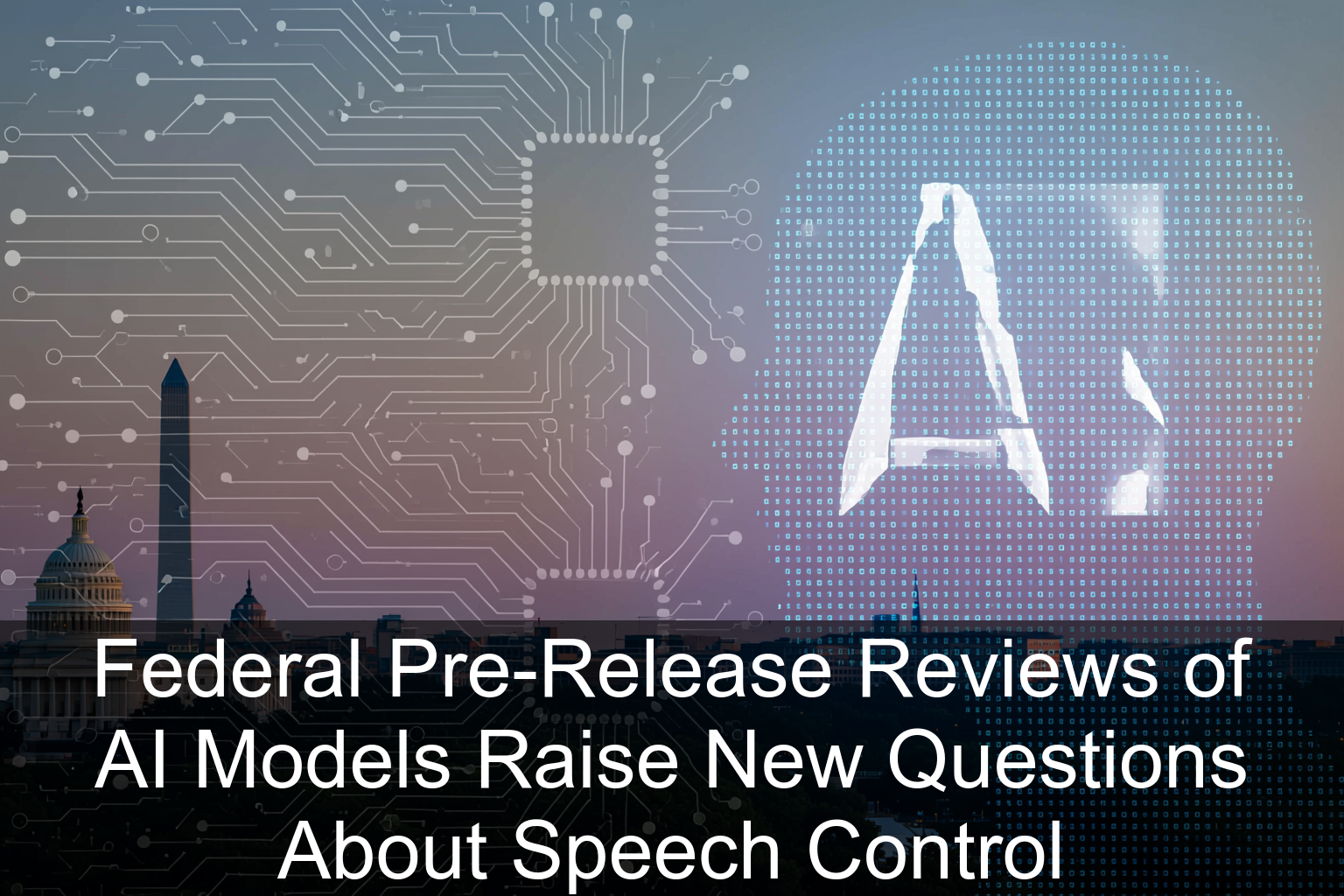
  • Federal Pre-Release Reviews of AI Models Raise New Questions About Speech Control

    Federal Pre-Release Reviews of AI Models Raise New Questions About Speech Control

    A new set of federal ideas aimed at artificial intelligence is drawing attention not because of flashy announcements, but because of how quietly it could expand government influence over what AI systems are allowed to say. At the center of the debate is the notion that certain AI models may need to be examined by regulators before they are released to the public.

    Supporters frame these proposals as a safety measure: check powerful models in advance to reduce the risk of misuse and prevent harmful outcomes. But a pre-release review regime also changes the default posture of innovation in the United States. Instead of building and launching a product and then being held accountable for concrete wrongdoing, developers could face an approval-style process that effectively decides what may be deployed in the first place.

    That distinction matters for speech. When the technology in question generates text, answers questions, or assists with writing, the line between “oversight” and viewpoint-based control can get thin fast. A system designed to keep AI “safe” can end up steering outputs away from controversial topics, disfavored opinions, or politically sensitive discussions, even when the user is seeking lawful information or legitimate debate.

    From a civil-liberties and limited-government perspective, the risk is not only overreach but normalization. Once a federal mechanism exists to review models before release, it can become a standing gatekeeping structure—one that future administrations may use more aggressively, with standards that shift depending on political priorities. What begins as a narrowly described effort to prevent abuse can evolve into a broader tool that pressures developers to preemptively censor lawful speech to satisfy regulators.

    These concerns are heightened by the practical reality that AI development moves quickly, while federal review processes tend to move slowly and become bureaucratic. If permission is required before launch, smaller firms and open-source projects could be hit hardest, because they typically lack the legal budgets and compliance departments needed to navigate a complex approval pipeline. The result could be fewer competitors, less experimentation, and a technology landscape shaped by the companies best equipped to negotiate with government agencies.

    The push for advance review of AI models is therefore about more than technical risk management. It touches fundamental questions about whether speech-enabled tools should be treated like something the public can access by default, or something that must be filtered through federal scrutiny first. And as policymakers debate where guardrails belong, the country faces a choice between a tradition of open inquiry and a system that quietly conditions what AI is permitted to discuss.